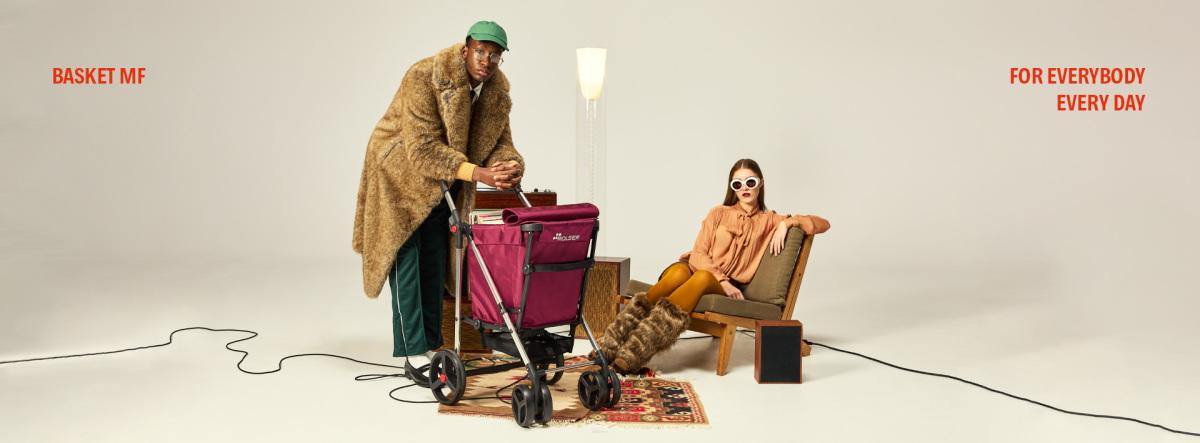
For over half a century, Rolser has been designing items that make life easier at home and in the city. Shopping trolleys, ladders, ironing boards — seemingly simple categories, yet here the nuances matter: ergonomics, materials, durability, and aesthetics that do not shout.
Pedreguer, 1966: the beginning of the story
It all started in Pedreguer, a town in the Alicante region. Vicente Server Ferrer and Isabel Pérez Costa began producing bags, soon expanding their craft to broader horizons. The breakthrough came in the 1970s when the classic bag was combined with a lightweight wheeled frame. This gave birth to a product that many people still associate with Rolser today — a trolley, but redesigned: lighter, more comfortable, more urban.
Rosler at Home and Rolser in Motion — two worlds under one roof
The brand’s portfolio spans two everyday scenarios. In Motion deals with movement: shopping trolleys and wheeled bags that discreetly accompany you on the way to fresh vegetables or the nearby bakery. At Home is the home section — ladders, stools, ironing boards — designed to be handy, stable, and durable. The common denominator? Conscious simplicity and reliable craftsmanship.
Quiet but noticeable innovations
Rolser is engineering in the service of daily habits. Aluminum frames are lightweight yet resistant to intensive use; folding mechanisms operate intuitively; multi-wheel systems confidently guide the trolley over curbs and stairs. The brand creates its own technological solutions and improves them season after season — without fireworks, but with measurable effects for the user.
Environmental footprint under control
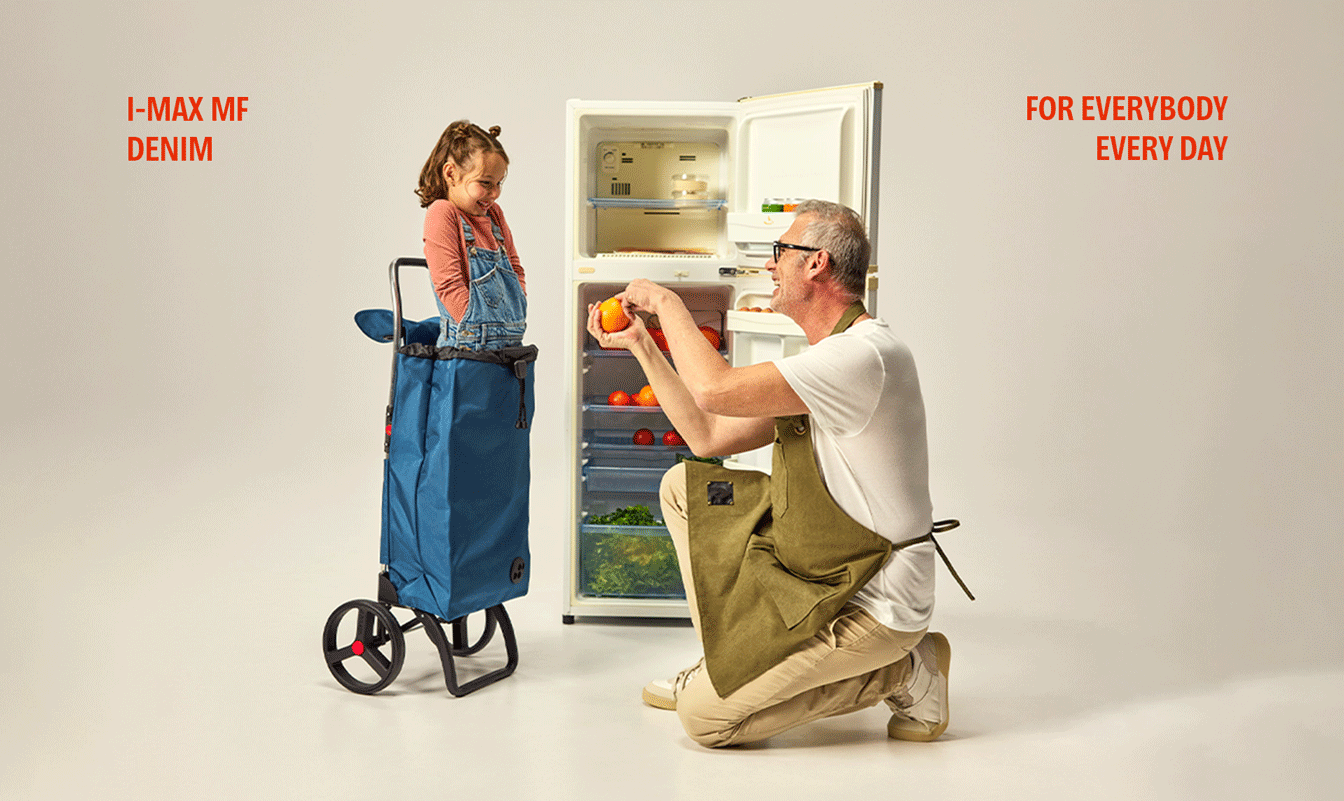
At Rolser, sustainable development is not a separate project but a design parameter. Material recycling, reducing plastic in packaging, certified environmental management systems — these are processes that genuinely translate into products. A symbol of this path is, among others, a trolley designed from 100% recycled materials and fully recyclable. It is a closed-loop design where every element has a second life.
Aesthetics that mature with the city
Rolser’s design language is restrained: clean lines, proportions that maintain vertical and horizontal balance, details refined where hand meets material. Fabric patterns, finishes, and shades correspond to different temperaments — from minimalist to expressive. The result is accessories that naturally fit into the cityscape and interiors, rather than seeking the spotlight.
Rolser in practice
- Lightness and durability: aluminum constructions that do not weigh you down on stairs or at stops.
- Effortless folding: mechanisms designed so that one hand is enough to operate.
- Materials with conscious origins: increasing share of recycled fabrics and thoughtful raw material management.
- Ergonomics first: handles, wheels, contact points — all where the body needs them.
Why the Rolser brand reaches the design world
Rolser shows that design for everyday life does not have to be spectacular to change the user experience. Consistency is enough: good geometry, responsible materials, precision craftsmanship, and awareness of how an object ages with its owner. This perspective sounds especially relevant in the age of fast consumption.

 Polish